
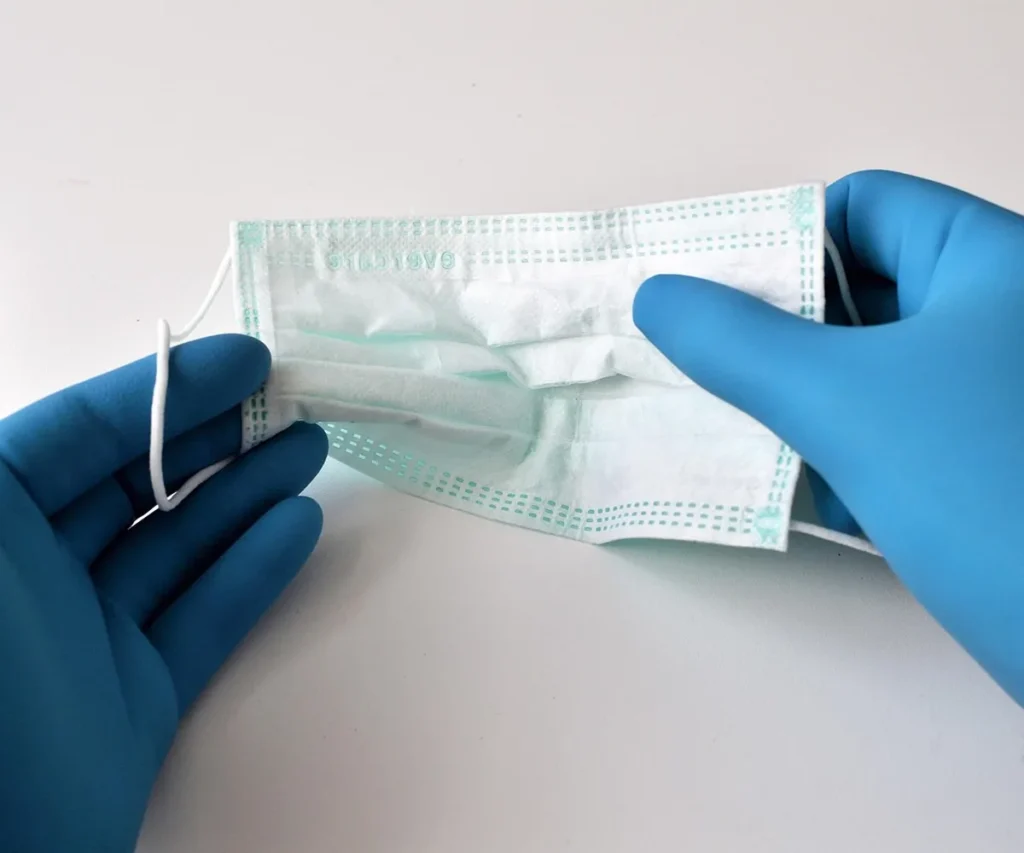
Assessment and Testing
Suspect material can be sampled and tested by an appropriate professional so that you know what you are dealing with.
Removing and replacing an asbestos roof in Launceston needs a careful, legal process. Corrugated cement sheet was widely used on homes and sheds, and disturbing it can release dangerous fibres.
In Tasmania, larger removals of bonded asbestos must be done by a licensed removalist. We make sure the correct licence holder carries out that work, then arrange the new roof.
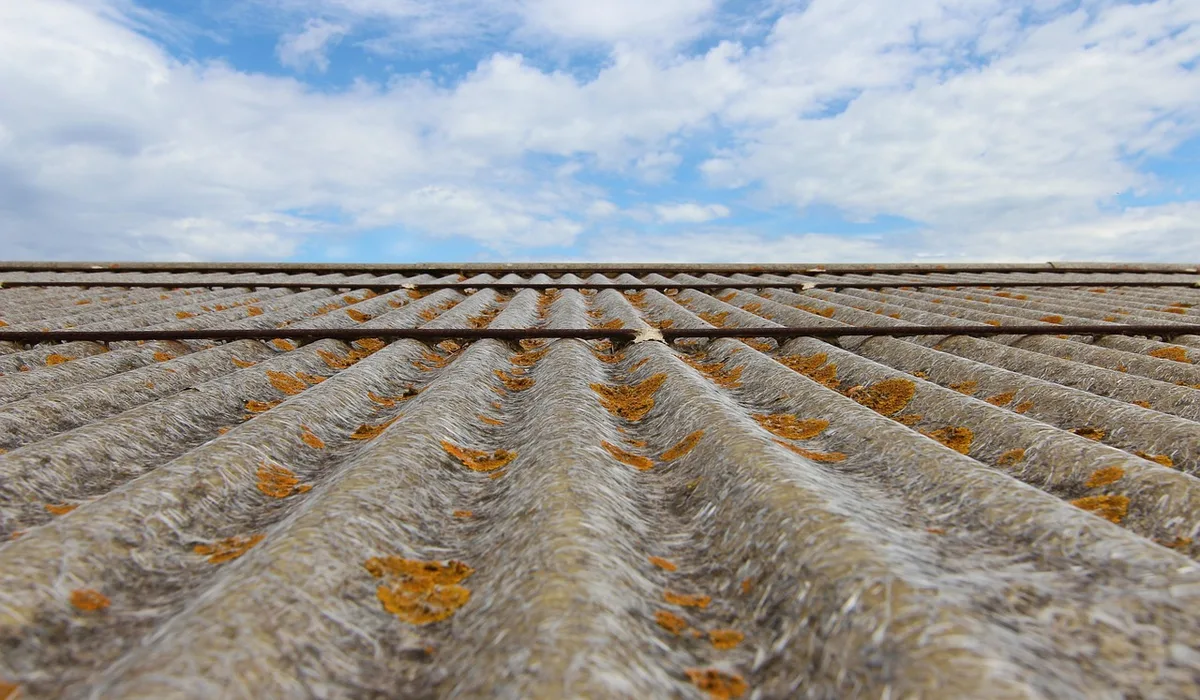
Suspect material can be sampled and tested by an appropriate professional so that you know what you are dealing with.

Sheets are wetted, removed whole where possible and wrapped for disposal, using proper controls.

Once the area is clear, a new steel or tile roof is installed with new flashings.
Common on houses, garages, sheds and farm buildings of older construction.
Flat cement sheet was often used under eaves and in gable ends.
Some older flues, ridge pieces and vents can also contain asbestos.
Choosing the replacement is easier once the roof is off and the frame has been checked.
| Option | Characteristics | Typical applications | Considerations |
|---|---|---|---|
| Colorbond steel | Light steel with a coloured finish | Most houses and sheds after removal | Often an easy fit on frames that carried cement sheet |
| Zincalume steel | Plain metallic-coated sheet | Sheds and outbuildings | Lower cost with a plain appearance |
| Tile | Concrete or terracotta | Homes where tile suits the style | Much heavier, so the frame needs to be checked first |
Disturbing asbestos cement can release fibres and put your family and neighbours at risk.
High-pressure cleaning breaks up the surface and spreads contaminated water.
Power tools create fine dust. Do not use them on suspect sheets.
Old cement sheets are brittle, and falls through them can be fatal.
Asbestos must be wrapped and taken only to a facility that accepts it.
We look at the roof and arrange testing if the material is unknown.
You get a scope for removal, disposal and the new roof.
Required notices are lodged and the work area is prepared.
Sheets are removed, wrapped and disposed of with required checks.
Battens are repaired where needed and the new roof is installed.
Asbestos work is covered by WorkSafe Tasmania, and these basics are worth knowing.
Removing more than 10 square metres of non-friable asbestos requires a Class B licence.
Smaller quantities must still be removed in accordance with the code of practice.
WorkSafe Tasmania is the right contact for licensing questions, and council can advise on local disposal.

Sheets removed and replaced with a new steel roof.
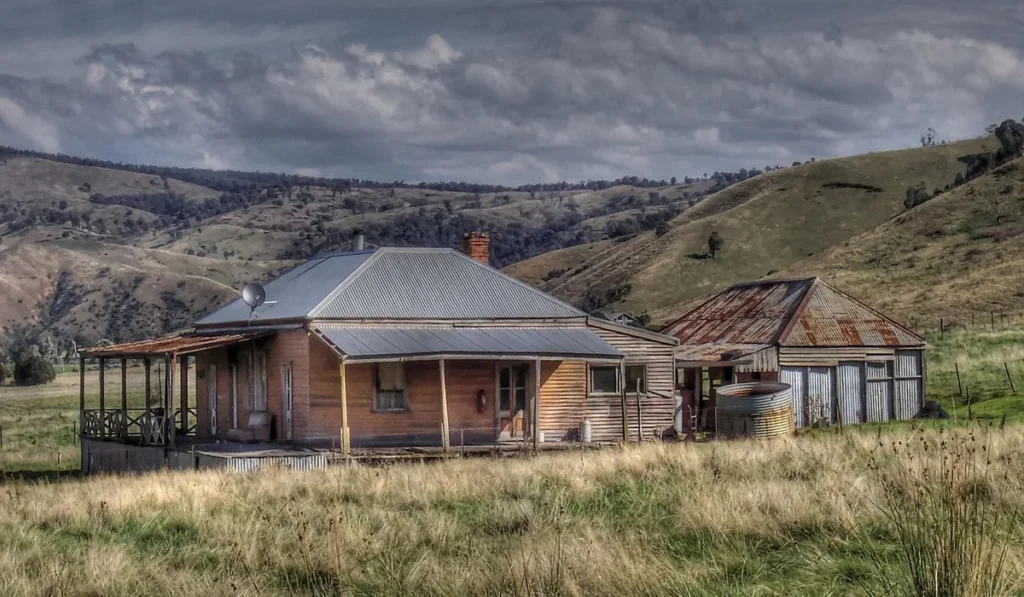
Cement roof removed and new sheets tied into the existing roof.

Staged removal and new long-run steel roofing.
We arrange removal and new roofs in these suburbs.
General advice on any type of roof.
View serviceNot sure of a roof's material? Do not repair it yet.
View serviceThe same process for non-asbestos roofs.
View serviceInstalling a new home roof on a fresh frame.
View serviceTile roofs only. Cement sheet should not be restored.
View serviceInspect the new roof regularly once it is up.
View serviceAsbestos sheet on commercial buildings needs planning.
View serviceThe most common replacement after removal.
View serviceA heavier option where the frame allows.
View serviceCosts reflect the area, the condition of the sheets, disposal and required safety controls. We separate removal and replacement in the quote, so you can see both.
| Small shed or garage | Depends on area, licence need and disposal |
|---|---|
| House roof section | Includes tying the new roof into the old |
| Large outbuilding | Priced on area, access and staging |
You cannot tell by looking at it. Have a sample tested by an appropriate laboratory, and assume it contains asbestos until you know otherwise.
Sheets in good condition are lower risk if left undisturbed. Damaged, weathered or broken sheets should be assessed professionally.
Tasmanian licensing rules are based on area, but smaller jobs still have to follow the code of practice. Ask WorkSafe Tasmania what applies before starting.
Do not clean or prepare it with pressure or abrasive methods. Get professional advice before doing anything to the surface.
It must be wrapped and taken to a facility that accepts it. Disposal details are included in your written scope.
Do not disturb it. Call or send photos from the ground and we will explain the safest way forward.
Bonded asbestos cement was a popular building material for much of the twentieth century. Homes and sheds built before the late 1980s are the most likely to have it.
Weathering and damage can loosen the surface, which is why moss removal and pressure cleaning are particularly risky. If a sheet has broken, keep people away and do not sweep up the debris.
Removal is a planned job. Done correctly, it leaves you with a clean frame ready for a new roof and one less hazard on the property.