

Roof Inspection
A close look at the cover, ridges, flashings, fixings and any penetrations.
Roof maintenance in Launceston is mostly about water and leaves. Autumn drop, moss and heavy winter rain all test your gutters and valleys.
We inspect the roof, clear the problem areas and fix small faults while we are up there. You get a clear record of the roof's condition after every visit.

A close look at the cover, ridges, flashings, fixings and any penetrations.

Leaves and silt are removed, and downpipes are checked so that water can get away.

Popped screws, loose caps, small seal failures and single broken tiles are dealt with as we find them.
Enough for most homes without large trees. Before winter is an ideal time.
Better for homes under trees, with a clean after autumn and a check in spring.
A one-off inspection after strong winds or hail, particularly for an older roof.
Pick the level that suits the age of your roof and how much is growing around it.
| Option | Characteristics | Typical applications | Considerations |
|---|---|---|---|
| Inspection only | Visual check and written notes | Pre-purchase or routine peace of mind | No cleaning or repairs are included |
| Inspection and gutter clean | Check plus debris removal | Most family homes | Downpipe blockages may need separate work |
| Full maintenance visit | Check, clean and minor repairs | Older roofs and rental properties | Larger faults are quoted separately |
These cost little to fix now and much more if they are left.
Screws back out as metal expands and contracts, leaving holes for water.
Leaves pile up in valleys, forcing water to spill under tiles or sheets.
Rubber collars on vents and flues crack with sun exposure and age.
Branches scrape sheets, drop debris and shade the roof, which encourages moss.
Choose a time, tell us about any concerns and give us access details.
We set up ladders and fall protection to suit the roof.
We work across the roof, clearing debris and noting any faults.
Agreed minor fixes are carried out on the day.
You get photos and a list of recommendations with priorities.
Some properties need regular attention more than others.
More leaves mean more blocked gutters and more damp on the roof.
A condition record helps you plan repairs and show the property is being looked after.
Extra checks can help an ageing roof reach the time you are ready to replace it.

Leaves cleared and downpipes checked for flow.
Condition report supplied with a short repair list.

Worn screws replaced and laps re-checked.
We carry out maintenance visits in these suburbs.
Get advice on the whole roof.
View serviceWhen our visit uncovers a fault that needs fixing.
View serviceWhen the report shows the roof is near its end.
View serviceStarting fresh on a new home or addition.
View serviceBring a worn tile surface back into shape.
View servicePlanned maintenance for commercial buildings.
View serviceA new steel roof when the old one has had its day.
View serviceNew tiles to replace a tired tile roof.
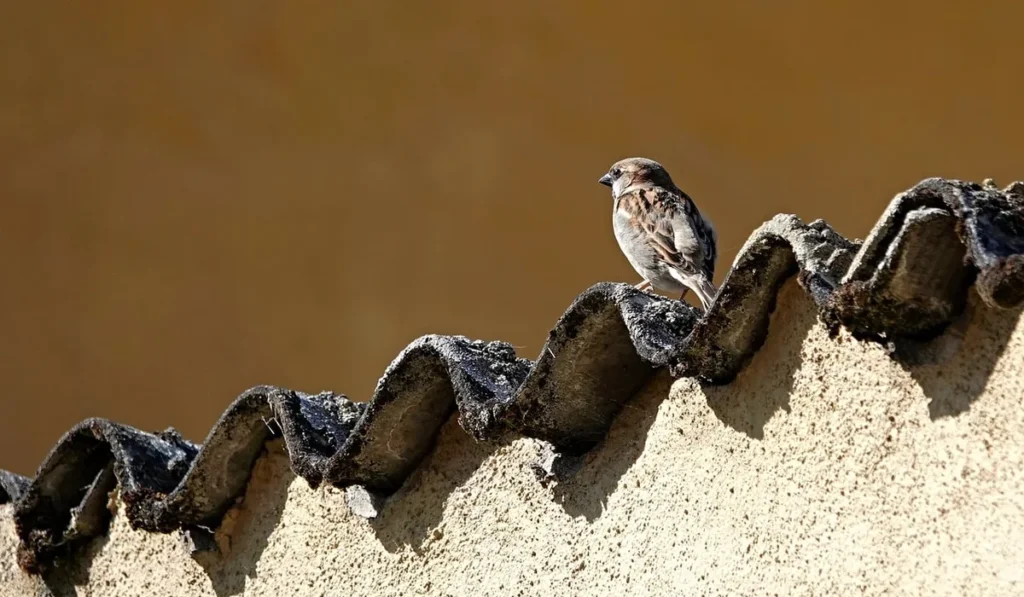
View serviceDo not clean old cement sheets. Have them assessed.
View serviceMaintenance is priced on roof size, height and how much needs clearing. We will confirm the scope before we start, and we will not add repairs without asking.
| Single-storey home | Straightforward set-up on most roofs |
|---|---|
| Two-storey or steep | Requires additional access and safety gear |
| Heavy debris load | Priced on how much must be removed |
Once a year suits most homes, ideally before winter. If you have trees over the house, a second visit after autumn is worthwhile.
If you are comfortable and safe on a ladder, yes. Many falls happen doing this job, so stay off wet or steep roofs and call someone if unsure.
Yes. We give you photos and a list of what we found, in order of priority.
It holds moisture against the surface, and it can block water channels and gutters when it breaks off.
Yes. We can work directly with owners or agents and arrange access with tenants.
Tell us about the home and when the gutters were last cleaned. We will arrange a visit before the wet weather sets in.
Late autumn is the most useful time for a visit, once most leaves have dropped and before the wettest stretch of the year. Gutters cleared then have a better chance of handling winter rain.
Spring is the time to check for anything winter disturbed, like lifted fixings or moss taking hold on the shady side of the roof.
After any significant storm, take a look from the ground. Missing caps, displaced tiles or lifted sheets are all reasons to call.